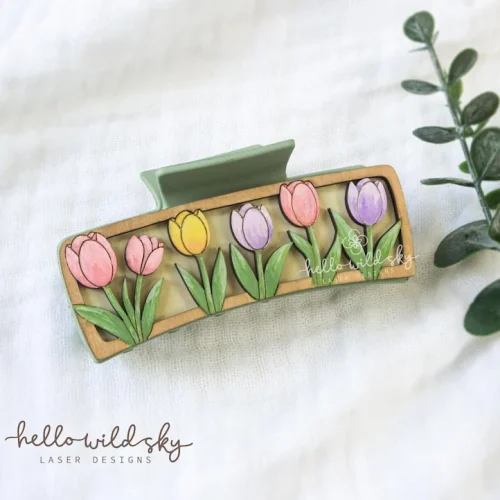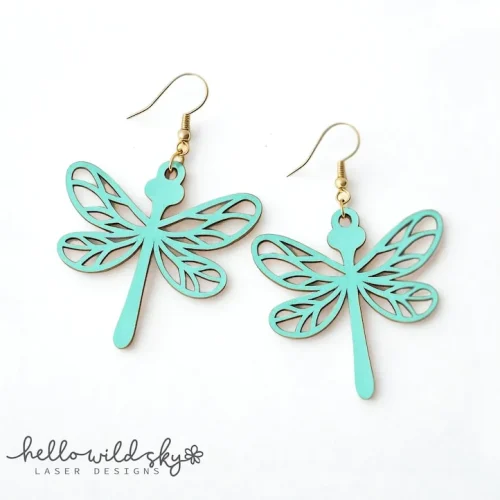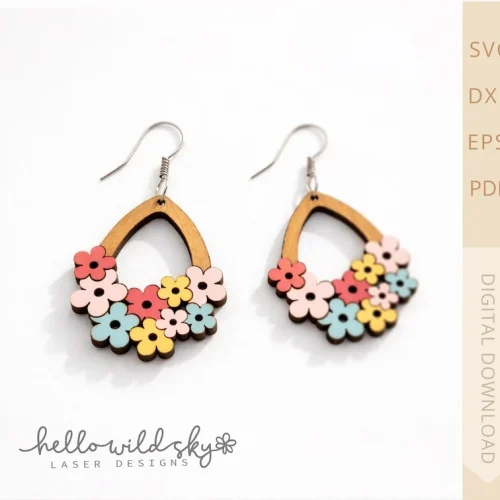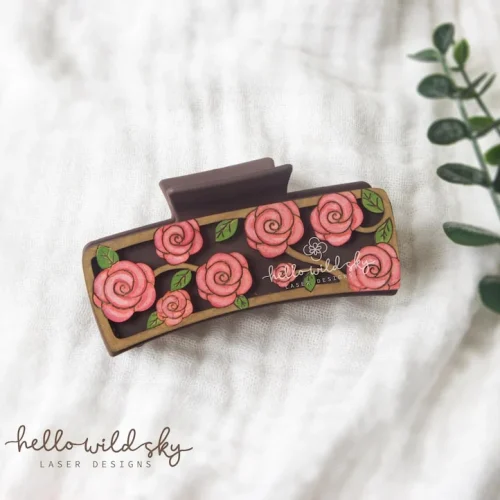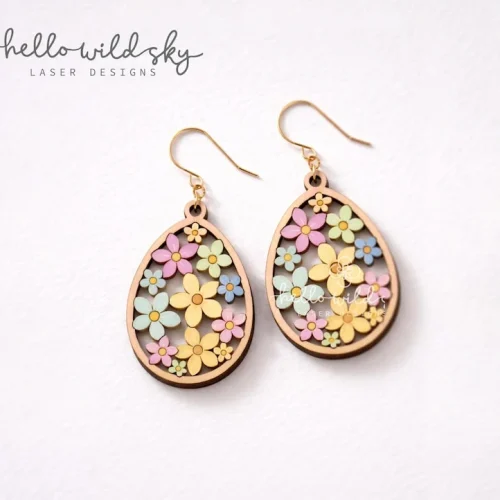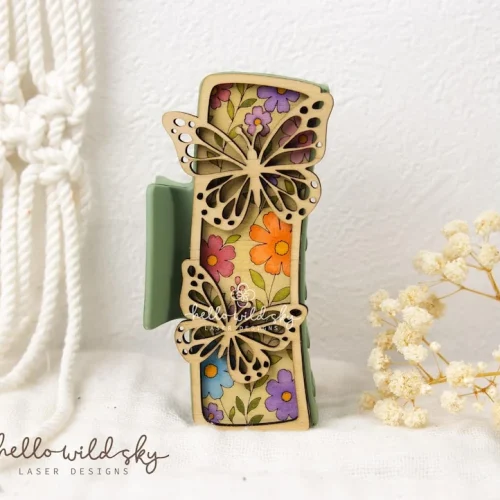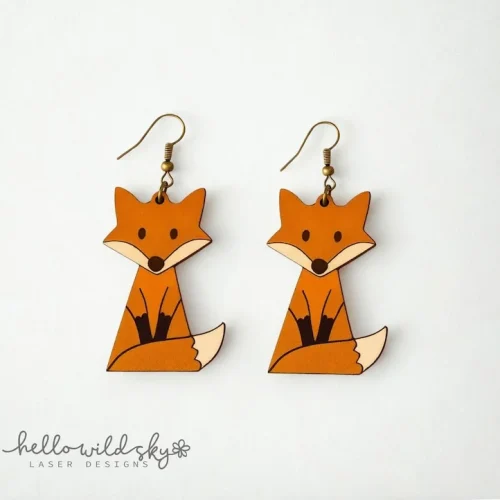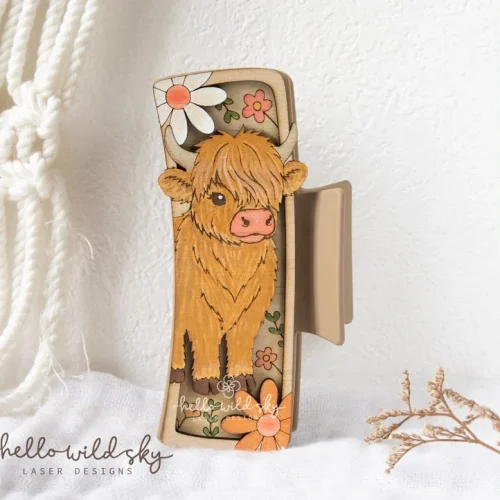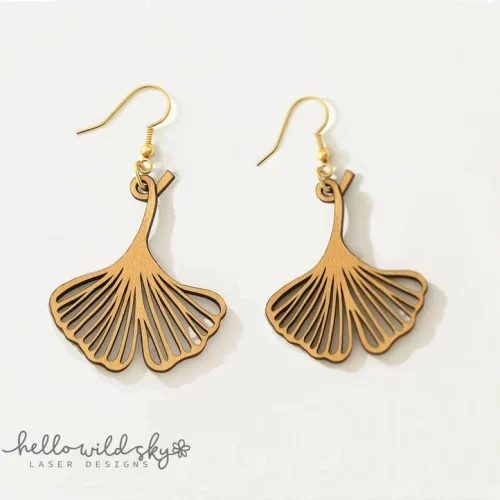
Selling laser-cut earrings at a craft fair or online involves a few small business decisions that don’t come up in the design process itself. Here’s a practical starting checklist.
Pricing that actually covers your time
Material cost is the easy part — the mistake most new sellers make is pricing only for materials and forgetting cut time, finishing time, and packaging. A rough starting formula: (material cost + 15 minutes of your hourly rate for cutting/finishing) × 2 for a fair retail markup. Adjust up for anything with hand-painted detail or assembly.
Photography that sells
Natural window light beats any ring light for jewelry — it shows true material color without the yellow or blue cast artificial light adds. Shoot on a plain, slightly textured background (kraft paper, linen) rather than pure white, which can wash out fine laser detail in photos.
Packaging that feels intentional
A small kraft card with a punched hole to hang the earrings, or a simple drawstring pouch, costs very little but changes how a buyer perceives the value of what’s inside. This matters more for handmade goods than almost any other product category — buyers are partly paying for the feeling of a small, considered purchase.
Where to actually sell
- Etsy — built-in search traffic, but takes a cut of every sale and puts you next to direct competitors.
- Your own shop — full margin, full control over branding, but you own all the traffic-generation work.
- Local craft fairs and markets — the fastest way to get honest, in-person reactions to a new design before committing to a full batch.
Most sellers who stick with it end up running two of these at once rather than picking just one.
Know your numbers before you scale up
Before ordering fifty sheets of a new material, cut and sell a batch of five to ten first. It’s a small time cost that catches slow-selling designs before they turn into a drawer full of unsold stock.